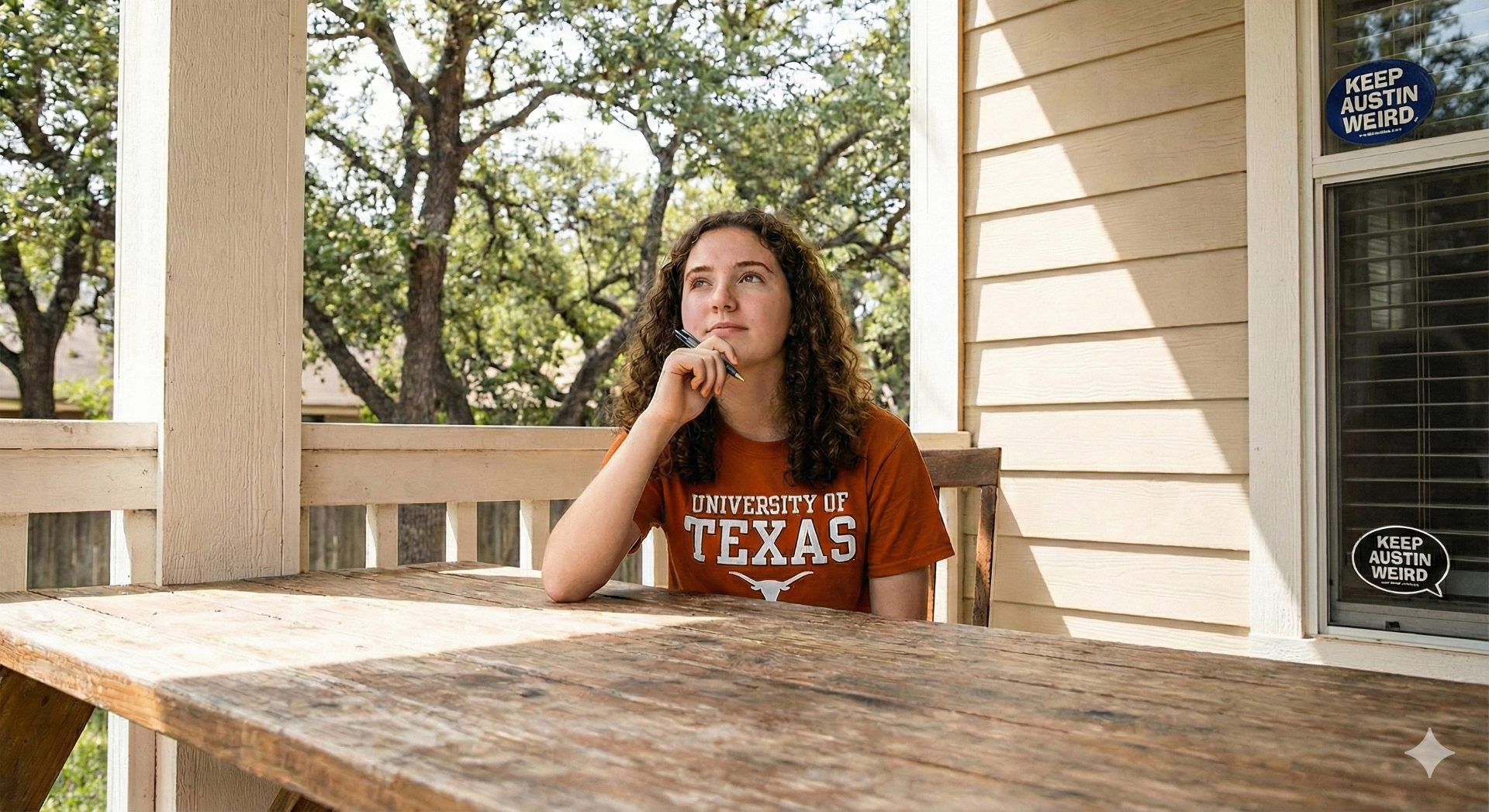
It's November. Thanksgiving is three weeks out, finals are looming, and you want to talk about next summer?
Yes, and here's why: the best summer opportunities rarely wait for spring. The strongest options tend to have application windows that open in winter, fill on a rolling basis, or require a skill you can't pick up in a weekend. If you're a sophomore at Frisco, Wakeland, Lone Star, Centennial, Reedy, Liberty, Heritage, Independence, or any other Frisco ISD high school, the next 90 days are the quiet window where planning is easy. In April, it gets a lot harder.
Why the Summer After Sophomore Year Is Special
Freshman summer is for exploring. Senior summer is for finishing applications and packing. The summer between sophomore and junior year sits in the middle, and it's often the first time a student has real freedom, enough maturity to do something substantive, and enough runway for the work to show up in the application story.
By junior fall, you're juggling APs, the SAT/ACT, and leadership roles. A sophomore-summer project can carry you through all of it. A research manuscript, a competition run, or a sequence of college-level courses doesn't end in August. It becomes something you talk about in essays, interviews, and teacher recommendation conversations for the next two years.
We made the full case for this summer in The Summer Before Junior Year Is the Most Important Summer. This post is about the planning that has to happen before it.
Five Things to Do This Winter
1. Pick a direction, not a destination
You don't need to know your major. You need one question you're curious enough to chase for ten weeks. Maybe it's "why do some Texas counties have such different diabetes rates?" or "what does the data say about sleep and test scores?" Curiosity drives the work, and it makes the application story sound like you.
2. Audit what's available (and when it closes)
Summer options for Frisco-area students generally fall into a few buckets:
- Research programs, which vary a lot in rigor, mentorship, and what you actually produce
- Dual credit or college courses, which for Frisco ISD students run through Collin College and start with your high school counselor, so ask early whether a summer course is an option for you
- Competition tracks, such as AMC/AIME preparation or science and robotics circuits
- Work, service, or a build-it-yourself project
Application timelines differ by program type, and some selective programs open in the winter. Make a simple spreadsheet of options with their open dates and deadlines. Check each program's own website before anything goes on the family calendar, because dates change from year to year.
3. Ask what you'll actually walk away with
This is the question most families skip. Whatever you choose, ask:
- Will I produce something concrete, like a paper, a dataset analysis, a project, or a portfolio piece?
- Who will actually be working with me, and how often?
- Am I learning a transferable skill, or just watching?
- Does it fit my likely direction, or is it just a brand name?
A program that ends with "I attended" tells a thinner story than one that ends with "I built this."
4. Map it against your family calendar
Many Frisco-area families, especially in the South Asian community, plan a long summer trip to visit family abroad. That's a legitimate priority, and it doesn't have to conflict with a strong summer plan. But it works much better when the two are planned together in November rather than discovered in May. Some programs flex around travel, and some don't. Find out early, then build around it.
5. Talk to your counselor and your teachers
Frisco ISD counselors know which courses stack well and which summer options connect to your schedule. A teacher you trust in the subject you're curious about may know an opportunity you'd never find on a search engine. Ask now, before the spring rush.
Why Data-Driven Research Is a Smart Sophomore Summer
Here's something we think is underrated: you don't need a wet lab to do real research. Public health datasets, like the ones the CDC publishes openly, let high schoolers ask real questions about real populations using the same tools working researchers use. That's the idea behind our 10-week Summer Research Program at Lone Star Scholars, where students analyze actual CDC datasets in R and work toward a preprint-ready manuscript.
It isn't the only good path. Plenty of students have an excellent summer building a robotics project, completing a college course, or working on a competition. The point is to choose on purpose.
A Simple Timeline to Follow
- November: Brainstorm interests. Talk with your family about summer travel and commitments.
- December: Build your options spreadsheet. Note application windows and what each program produces.
- January–February: Apply to your top choices. Get teacher or counselor input where needed.
- March–April: Decide, confirm logistics, and set up your summer calendar.
- May: Finish the school year strong, then start the summer ready.
The Takeaway
Planning early isn't about adding pressure. It's the opposite: a calm winter decision beats a panicked April scramble every time. Start with a question you're curious about, pick something that leaves you with a real product, and build it around the life you already have.
Thinking about Summer 2027? Our 10-week Summer Research Program is a hands-on way to learn data analysis and produce real work with public health data. Book a free consultation or stop by our Frisco office at 12800 Westridge Blvd., Ste 126, and we'll help you figure out what fits, whether that's with us or not.
Ready to Get Started?
Schedule a free consultation to discuss your student's goals and create a personalized plan.
Book Free Consultation